/ Engineering in writing

Implementation logs. Real numbers. No fluff.

We write for engineers evaluating vendors. Every post covers what broke, what we changed, and what the metrics looked like after deployment.

Close-up of a terminal window showing Python log output and latency metrics, cool flat monitor glow, dark background, code lines sharp and legible
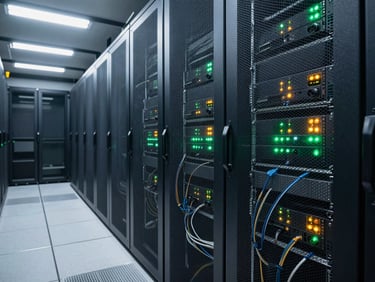
Wide shot of a server rack in a datacenter corridor under cold fluorescent lighting, cables visible, status LEDs blinking green and amber
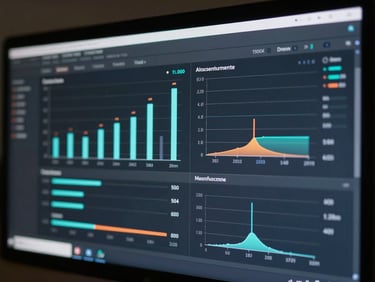
Close-up of a dashboard UI on a monitor showing bar charts and API latency graphs, cool flat technical lighting, dark mode interface
Workflow Automation
AI Agents
Data Intelligence

6 hours to 11 minutes: dissecting a real pipeline rewrite

Why your LLM agent keeps hallucinating in production

The real cost of a custom RAG pipeline at scale

Tool-call reliability drops sharply when context windows exceed 8k tokens. We traced the failure pattern across three deployments and fixed it the same way each time.

We rebuilt a client's invoice processing workflow in Python and Temporal. Here's every bottleneck we hit, and the before/after throughput data.

Vector databases aren't free to maintain. We break down embedding costs, retrieval latency tradeoffs, and where managed services stop making sense.

— No vendor puffery

Implementation notes, delivered when they're ready

New posts ship when the work is done—not on a schedule. Subscribe and we'll send you the next one directly. No roundups, no sponsored content.